
HPS
Why Choose Us?
Rich Experience:The company's core team have over 18 years of experience in artificial optical lighting, modern software system development, IoT terminals development, industrial design, production and manufacturing management, overseas marketing, etc. Westland is committed to becoming a global leader in LED artificial optics design, manufacturing, and standard setting.
Reliable Product Quality:Since establishment, we have adhered to product, service and experience innovation, and product development ideas based on science and technology. Using scientific development processes, advanced testing platforms, industrial design platforms, and supply chain systems, working diligently, and respecting Intellectual property rights, carry forward its own advantages, integrate resources, and take product technology research and development as its prior task.
Product Range:Westland offers a wide range of high-quality lighting products to suit various preferences and budgets. Whether customers are looking for traditional designs or cutting-edge innovations, Westland ensures they have access to a diverse selection of options to choose from.
Competitive Pricing:Despite offering premium services and products, Westland maintains competitive pricing to ensure affordability for their customers. They strive to deliver value without compromising on quality, making their offerings accessible to a broader range of clientele.
Professional Door-to-Door Service:Westland can send engineers to come to design lighting solutions with customers. If professionals are needed for on-site installation later, Westland can also provide customers with door-to-door installation services.
What is HPS?
A high pressure sodium (HPS) light is a type of grow light that is commonly used for indoor gardening. This particular light stimulates plant growth by diffusing the portion of the electromagnetic spectrum that is ideal for the whole process of photosynthesis. High pressure sodium lights are also used to prevent the plants from growing overly spindly and long. It mimics general outdoor conditions, especially as far as color and temperature is concerned.
-
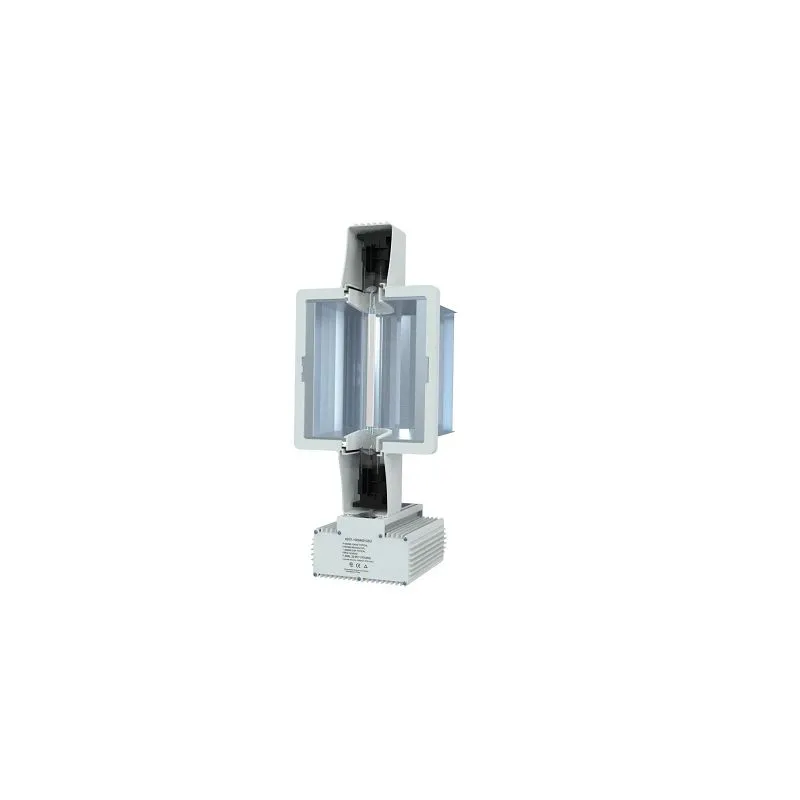
1000W Double Ended HPS | High-Intensity Lighting for Gree...The HPS ( High Pressure Sodium ) 1000 with its PPF 2100 u/s is a provider of artificial illumination which is necessary to help the plants to thrive when the natural sunlight is limited or...read more
-
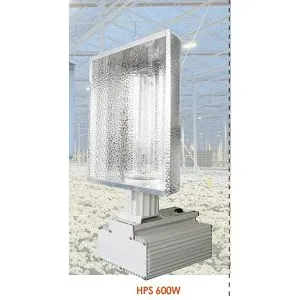
600W Single Ended HPS | Greenhouse Cannabis and Flower Cu...The HPS SE ( High Pressure Sodium ) 600W with its PPF 1085 umol / s is an artificial illumination necessary to help the plants thrive when there is a lack or insufficient of sunlight. The 600W...read more
Advantages of HPS
Mimic Natural Light
Plants thrive when they have the wavelengths and strength closest to their natural amount. HPS grow lights are the best at doing just that, and their light contains a spectrum almost identical to the sun. Combined with the strength of a given ballast, a plant will receive optimal amounts of light to grow- sometimes better than it would in nature.
Powerful and Effective
One of the biggest benefits of HPS grow lights is their high potential for light output. A 1000W HPS bulb, for example, gives off 130,000 lumens of light at 1150 PPFD, compared to other forms of lighting that offer far less lumen output. That means you can grow a wider variety of plants than you would with other grow lights.
Affordable
For starters, HPS bulbs are as affordable as grow lights come, and you’re not sacrificing any quality for the price! Plus, if one part of your HPS light system fails, it’s easy and cost-efficient to replace as opposed to having to buy a whole new system.
Adjustable
Most HPS lights have dimmable ballasts. This makes it easy to control the intensity of light your plants are getting to ensure optimal intensity.
Flexibility
There are a lot of different types of reflectors to give you the light that your plant and spatial needs. No matter if you need tons of light for lots of plants or a little bit for a few, there's an HPS grow light to suit any indoor garden and gardener.
Horticulture:HPS lights have been extensively used in commercial greenhouse and indoor horticulture for many years. They are particularly effective for promoting flowering and fruiting stages of plants. HPS lights emit light in the orange and red spectrum, which is crucial for stimulating flowering and enhancing yield in many crop varieties such as tomatoes, peppers, and cannabis.
Street Lighting:HPS lights have been commonly used for street lighting due to their high lumen output and long lifespan. They provide a warm yellowish light that effectively illuminates roadways, sidewalks, and public spaces.
Parking Lot Lighting:HPS lights are also found in parking lot lighting installations. Their high output and ability to cover large areas make them suitable for illuminating parking lots, ensuring adequate visibility and safety during nighttime.
Industrial Lighting:HPS lights are utilized in industrial settings for general area lighting, warehouses, factories, and large indoor spaces. Their high lumen output makes them suitable for high-ceiling applications where intense illumination is required.
Security Lighting:HPS lights are often employed for security lighting purposes, such as illuminating building exteriors, perimeters, and parking areas. The bright and penetrating light of HPS lamps can deter intruders and enhance surveillance capabilities.

Construction and Features of HPS Lights
An HPS lamp consists of a sealed glass tube that encloses a ceramic arc tube with electrodes at each end, through which the electrical current flows. The arc tube contains the sodium along with xenon gas, which facilitates the initial strike of the lamp. Mercury is also added to improve the lamp's efficacy and colour rendering. The outer glass envelope serves to insulate and protect the arc tube and contains a vacuum or an inert gas to help manage heat. HPS lights are known for their luminous efficacy, producing a high output of lumens per watt of electricity consumed, making them more efficient than many traditional lighting options. They typically have a long operational lifespan, ranging from 12,000 to 24,000 hours, which reduces the need for frequent replacements and maintenance.
The Luminous Principle of the HPS Lamp
The high-pressure sodium lamp uses electricity to generate an arc between the electrodes at both ends of the arc tube. Due to the high temperature of the arc, the sodium amalgam in the tube is heated and evaporated into mercury vapor and sodium vapor. The electrons emitted by the cathode impact and discharge during the movement to the anode. The atoms of the substance gain energy to produce ionization or excitation, and then return from the excited state to the ground state; or change from the ionized state to the excited state, and then return to the ground state in an infinite loop. At this time, the excess energy is released in the form of light radiation. Then there is light. High-power street lighting is a new type of lighting method that realizes lighting needs by illuminating the LED group by DC low voltage. It has the characteristics of high brightness and good color rendering.

Differences Between HPS Lamp And LED Plant Lamp
Luminescence Principle and External Structure Differences
High-pressure sodium lamp is composed of mercury, sodium, xenon arc tube lamp core, glass shell, anaerobic agent lamp holder and so on. The ballast is divided into inductive high — pressure sodium lamp and electronic high — pressure sodium lamp.
LED, also known as the light-emitting diode, is a chip composed of a P-type semiconductor and N-type semiconductor. There is a transition layer between the P-type semiconductor and N-type semiconductor, which is called p-n junction. As the current flows from the LED anode to the cathode, the semiconductor crystal emits a different color of light from purple to red. The intensity of the light is related to the current. According to luminescence intensity and working current, it can be divided into general brightness (luminescence intensity < 10 MCD), high brightness (luminescence intensity is 10~100 MCD) and ultra-brightness (luminescence intensity > 100 MCD). The structure is divided into four major parts: the structure of the light distribution system, the structure of the heat dissipation system, the driving circuit and the mechanical/protective structure.
Differences In Irradiation Range And Spectral Range
High-pressure sodium lamp bulb light Angle is 360 °, most have to pass a reflector to exposure to the designated area after reflection, the spectral energy distribution is rough as red, orange, yellow-green, light LanZiGuang (account for only a small part).
According to the different distribution of the LED light is designed, the effective light Angle can be roughly divided into 180 ° or less, 180 ° ~ 300 ° and 300 ° or three categories. LED light source has adjustable wavelength and can emit monochromatic light with the narrow light wave, such as infrared, red, orange, yellow, green, blue, etc., which can be combined randomly according to different needs.
Applicable Condition And The Differences of Life
High-pressure sodium lamp is the third generation of lighting source. It has a wide range of conventional alternating current. It has high luminous efficiency and strong penetrability. Sodium lamp is a kind of thermal light source. In the process of use, there is also a self-extinguishing problem.
LED, as the fourth generation of new semiconductor light source, is driven by dc, with a life of more than 50000 hrs and low attenuation. Comparing LED with a high-pressure sodium lamp, it is pointed out that LED is safer, free of harmful elements and more environmentally friendly.
Yield and Quality Differences
High yield and high quality of crops are the ultimate goals of planting and cultivation. LED light supplementation can improve the quality of seedling of pepper, tomato and eggplant, and the single fruit quality and yield of tomato plant increase obviously under the condition of 10 hours of light supplementation. The increased yield of LED light is also shown in cucumber planting. LED can improve the quality of grapefruit, in which the fruit develops the fastest with blue light supplementation treatment, the fruit has a higher single grain quality, the highest sugar content, and the single grain quality is the largest in the mature period of UV-supplementation treatment. Similarly, 70W high-pressure sodium lamp had an obvious effect of increasing yield per plant of strawberry by 17.9%. High — pressure sodium lamp and LED supplementation to have a significant effect on plant morphology. The visual fruit quality of cucumber was also improved by the LED side lighting treatment. Add LED to sodium lamp, compare only sodium lamp treatment, cucumber color more bright-colored.
Morphological Index Difference
Plant morphology index is an important index in the growth process of plants, especially in seedling production, which determines whether the plants can grow healthily after transplantation and cultivation. In general, the growth rate of LED conifer plants is better than that of a high-pressure sodium lamp.
Physiological Difference
The content of chlorophyll directly affects the accumulation of photosynthetic products in leaves. Studies have shown that the chlorophyll content of plants under LED growth is higher than that of a high-pressure sodium lamp. Both LED and hv sodium lamp can improve photosynthetic pigment content. Moreover, the accumulation of photosynthetic pigment is higher than that of hv sodium lamp and the transpiration rate is higher than that of hv sodium lamp. The special spectral proportion of LED can also affect the flowering effect of some plants. In addition, it must be pointed out that chlorophyll content alone cannot positively indicate the effect of light on the photosynthetic capacity of plants, because when plants encounter low light density environment, they will automatically adapt to the weak light stress and accumulate more chlorophyll in the leaves to obtain more light energy.
Setting up HPS lights in your grow space is essential for successful indoor gardening. To begin, you will need a few key pieces of equipment – HPS bulbs, ballasts, reflectors, and a proper light fixture.
When selecting ballasts for your setup, you have the choice between digital and magnetic ballasts. Digital ballasts are known for their energy efficiency and dimming capabilities, while magnetic ballasts are more affordable. Consider factors like power consumption and upfront cost when making your decision.
Next, choose the right HPS bulbs and reflectors. HPS bulbs emit intense light in the red and orange spectrum, making them ideal for the flowering stages of plant growth. Metal halide bulbs, on the other hand, produce blue light, which is suitable for vegetative growth. Reflectors help maximize light output and spread, ensuring efficient light distribution.
Once you have your equipment, it's time to install and configure the HPS lights. Place the lights at an appropriate distance from your plants, considering their light intensity requirements. Maintain a light cycle that mimics natural daylight, adjusting the duration as plants progress through their growth stages.
To ensure optimum performance and safety, regular maintenance is necessary. Keep an eye on the bulbs' lifespan and replace them as needed. Clean the reflectors regularly to prevent light bleaching. Consider proper air circulation and heat management to prevent overheating and damage to your plants.
Correct Usage of HPS Grow Lights
Proper Placement and Distance from Plants
When it comes to using HPS grow lights for indoor gardening, proper placement and maintaining an optimal distance from your plants is crucial for their overall health and growth. HPS lights, known for their high light output, can prove beneficial during both the vegetative growth and flowering stages of your plants. However, it is important to understand that the intense light output of HPS bulbs can lead to overheating and wilting of plant canopies if not properly managed. To avoid this, it is recommended to maintain a safe distance between the HPS grow lights and the plant canopy.
Deciding on the Light Cycle for Your Plants
Choosing the right light cycle for your plants is crucial for their growth and development. Several factors, including the plant species, growth stage, and desired outcomes, need to be considered. By understanding how different light cycles affect plants, indoor growers can optimize their growing conditions and achieve the best results. During the vegetative stage, plants require longer periods of light to encourage leaf and stem growth. This is typically achieved by using a light cycle of 18 hours on and 6 hours off (18/6). The extended light period stimulates photosynthesis and allows the plants to build strong foundations.
Tips for Adjusting Light Intensity and Duration
Adjusting light intensity is crucial because different stages of plant growth require varying light intensities. During the vegetative stage, plants benefit from higher light intensities to encourage leafy growth. As the plants transition to the flowering stage, lower light intensities are recommended to promote the development of dense buds. To adjust light intensity, start by positioning the HPS grow lights at an appropriate distance from the plants. As a general rule, keep the lights closer to the plants during the vegetative stage and increase the distance during the flowering stage. If your HPS grow lights have a dimmable ballast, you can also adjust the intensity settings accordingly.
Maintenance and Safety Considerations of HPS Lights
Lifespan and Replacement Frequency
HPS bulbs typically have a lifespan of around 18,000 hours. However, their efficiency starts to decline after 10,000 hours. It is advisable to replace HPS bulbs every 12-18 months to ensure optimal light output.
Ventilation and Air Circulation
Adequate ventilation is necessary to maintain a healthy grow environment. Good air circulation helps prevent the buildup of excess moisture and reduces the risk of mold or mildew. Additionally, it ensures that plants receive a fresh supply of CO2 needed for photosynthesis.

Efficient Exhaust System
To regulate temperature and eliminate odors, it is essential to set up an efficient exhaust system. This system helps remove excess heat generated by HPS lights, preventing the risk of overheating and damage to plants.
Safety Measures
When operating HPS grow lights, it is crucial to follow safety guidelines. This includes using a stable and appropriate lighting fixture, using surge protectors, and ensuring all electrical connections are secure. Regularly inspecting the wiring and components of HPS systems is also necessary.
Choosing the Right HPS Grow Light for Your Needs
When it comes to indoor gardening, choosing the right HPS grow light is essential for the successful cultivation of your plants. Here are some factors to consider when selecting the best HPS grow light for your needs.
First and foremost, wattage plays a crucial role in determining the size of the grow area and the types of plants that can be grown. Higher wattage HPS lights emit more intense light, making them suitable for larger grow spaces and plants that require higher light intensities.
There are several wattage options available for HPS grow lights, ranging from 150W to 1000W. The coverage area varies depending on the wattage, with smaller lights suitable for compact grow spaces and larger lights ideal for more extensive areas.
To maximize the potential of your plants, it is recommended to use timers and light rails. Timers automate the light cycle, ensuring that your plants receive the right amount of light during the vegetative and flowering stages.
Light rails, on the other hand, enable the even distribution of light across all plants, promoting uniform growth and preventing any light bleaching.
The factory is located in Shenzhen, a city with the fastest economic growth in the Zhujiang River Delta. The company has developed by leaps and bounds three times and now has many senior engineers with more than 18 years of industry experience. So far, the company has invested more than 10 million yuan in building a new production base, which has been completed and put into production. The factory covers an area of 15,000 square meters and has more than 300 employees. Our aim is to develop the strategic thinking of low-carbon environmental protection, innovative technology industry-led and diversified development.


Ultimate FAQ Guide to HPS
As one of the most professional hps manufacturers and suppliers in China, we're featured by quality products and low price. Please rest assured to buy discount hps from our factory. Contact us for customized service.
Indoor HLED Grow Light 1200W, Indoor LED Grow Light 650W R42 Spectrum, UV LED Light 30W