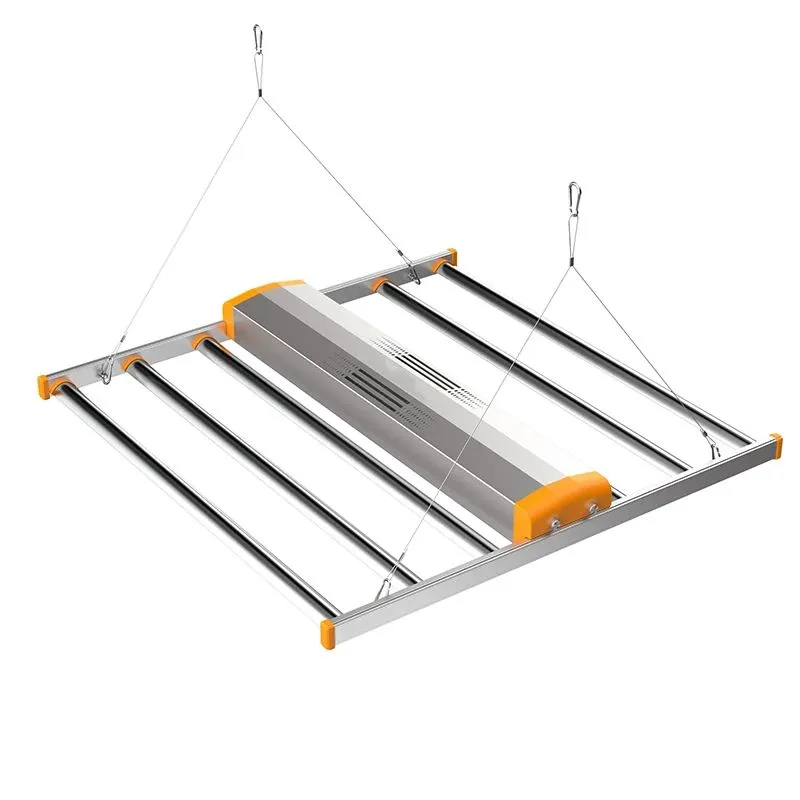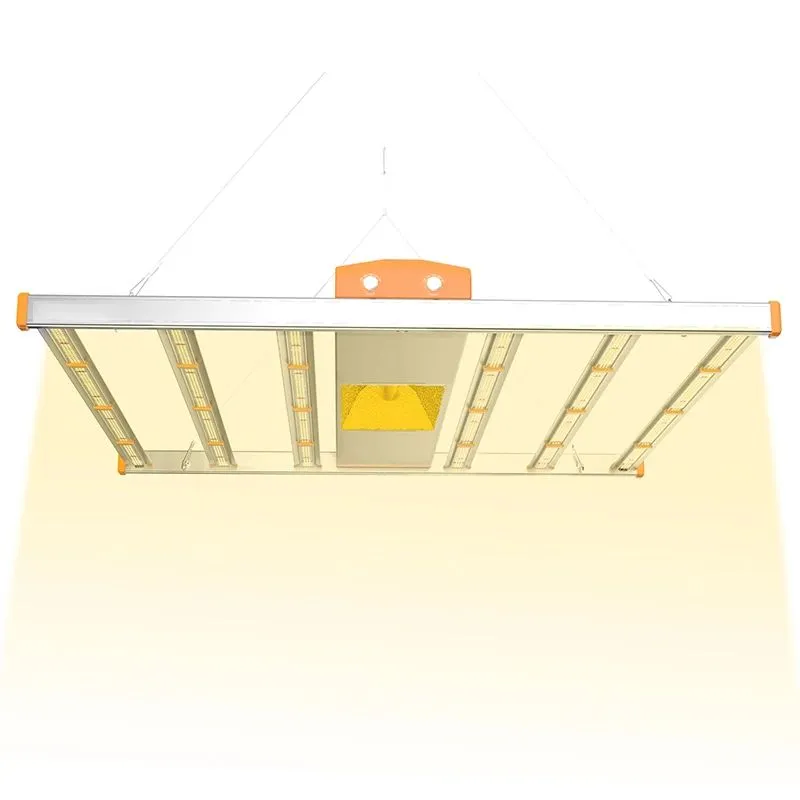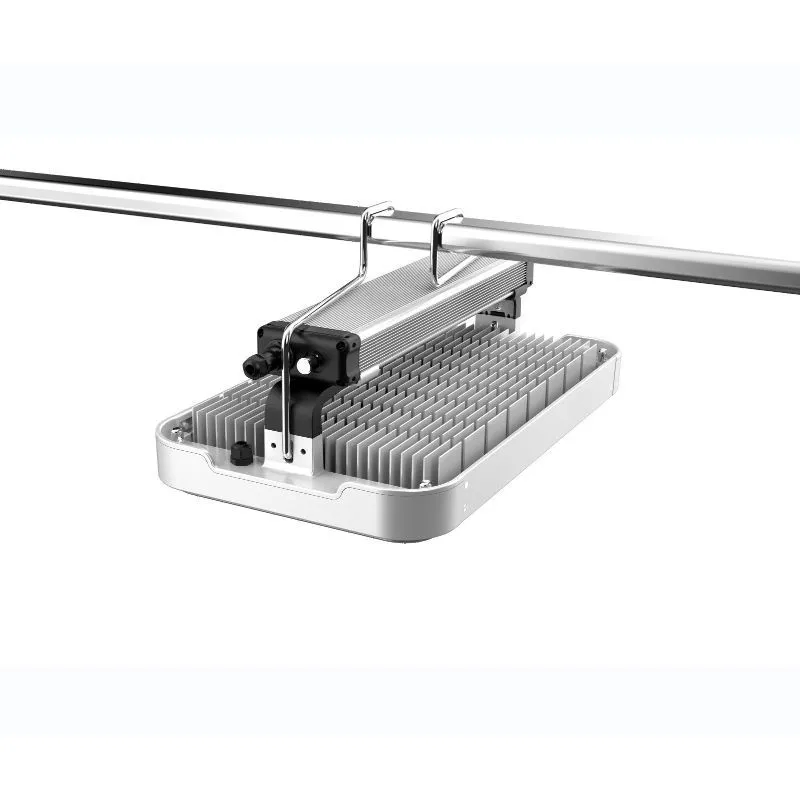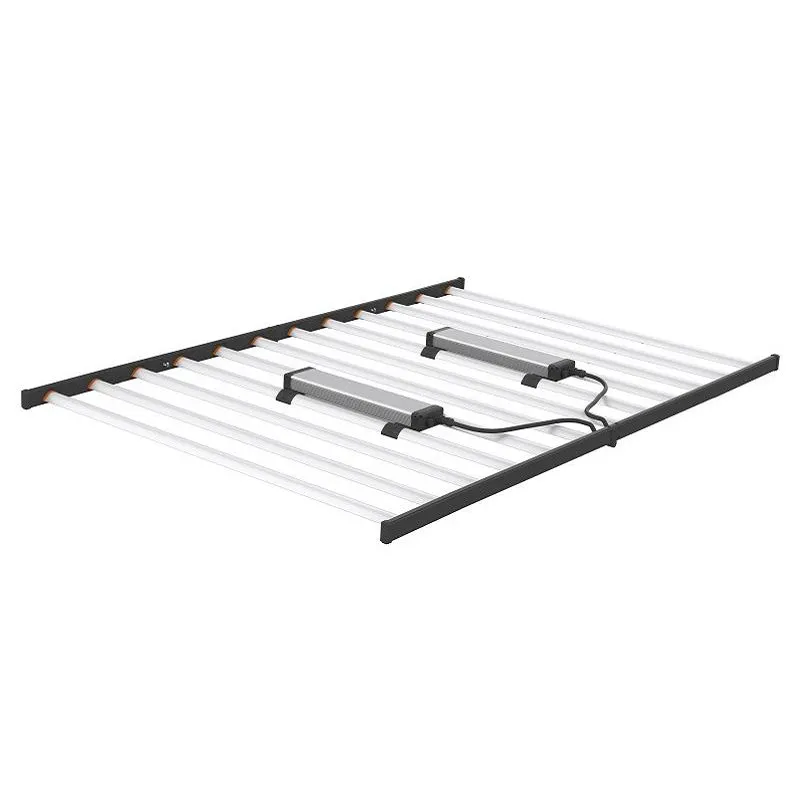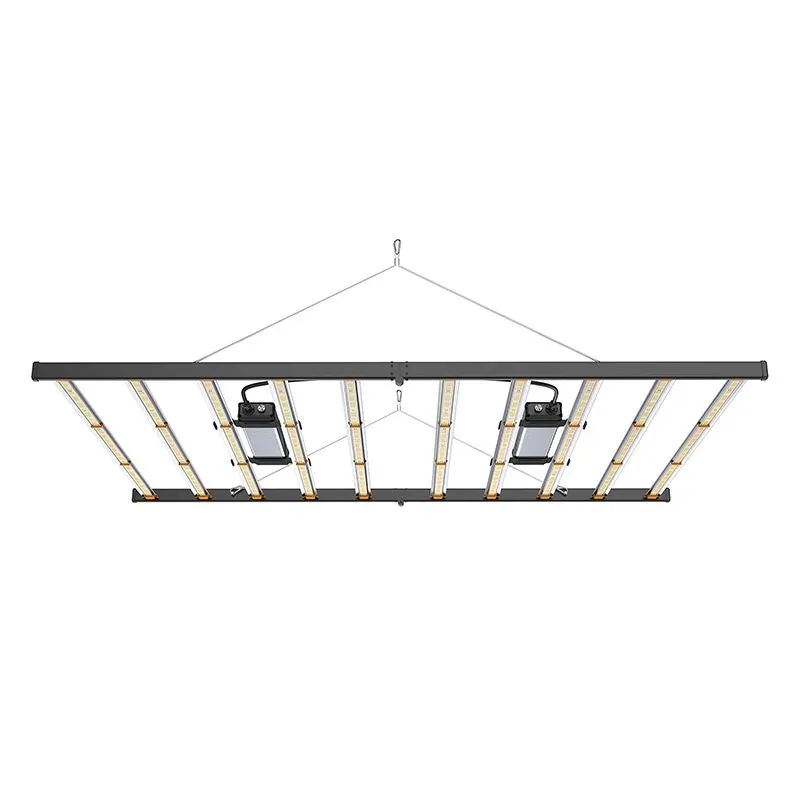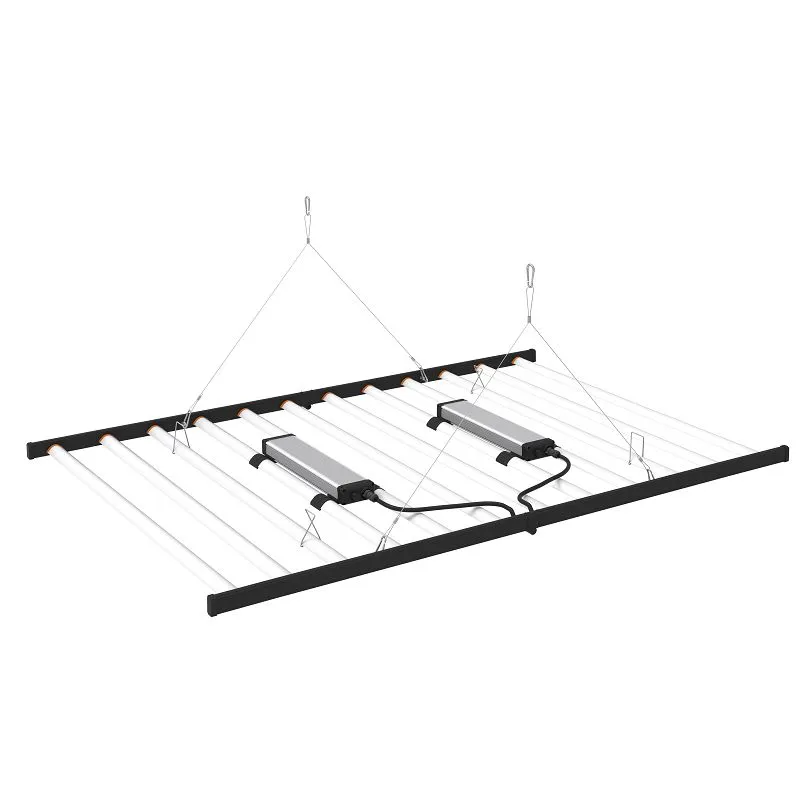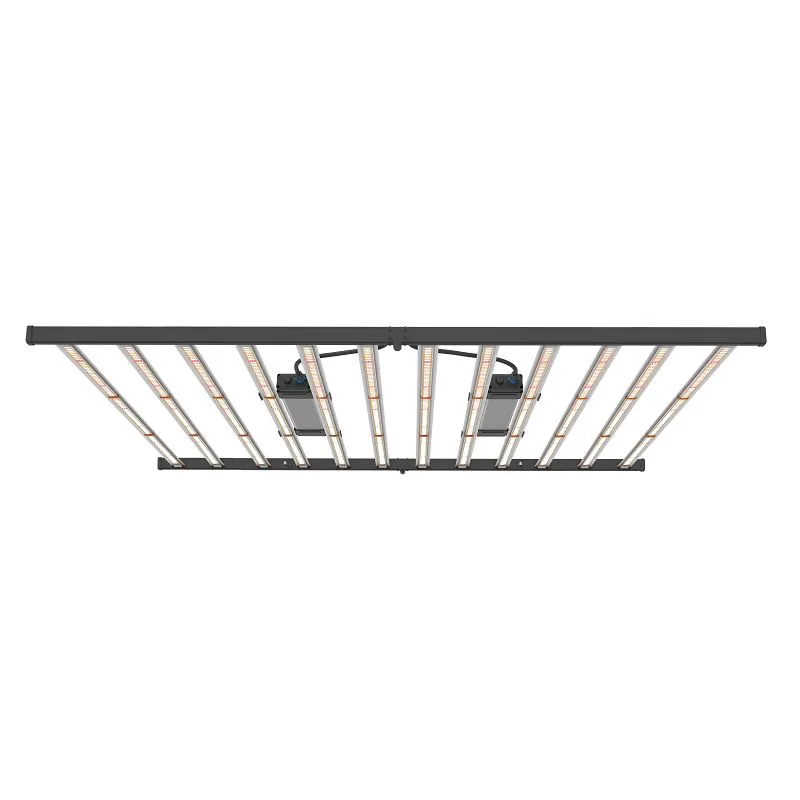

Indoor LED Grow Lighting
Why Choose Us?
Rich Experience:The company's core team have over 18 years of experience in artificial optical lighting, modern software system development, IoT terminals development, industrial design, production and manufacturing management, overseas marketing, etc. Westland is committed to becoming a global leader in LED artificial optics design, manufacturing, and standard setting.
Reliable Product Quality:Since establishment, we have adhered to product, service and experience innovation, and product development ideas based on science and technology. Using scientific development processes, advanced testing platforms, industrial design platforms, and supply chain systems, working diligently, and respecting Intellectual property rights, carry forward its own advantages, integrate resources, and take product technology research and development as its prior task.
Product Range:Westland offers a wide range of high-quality lighting products to suit various preferences and budgets. Whether customers are looking for traditional designs or cutting-edge innovations, Westland ensures they have access to a diverse selection of options to choose from.
Competitive Pricing:Despite offering premium services and products, Westland maintains competitive pricing to ensure affordability for their customers. They strive to deliver value without compromising on quality, making their offerings accessible to a broader range of clientele.
Professional Door-to-Door Service:Westland can send engineers to come to design lighting solutions with customers. If professionals are needed for on-site installation later, Westland can also provide customers with door-to-door installation services.
What is Indoor LED Grow Lighting?
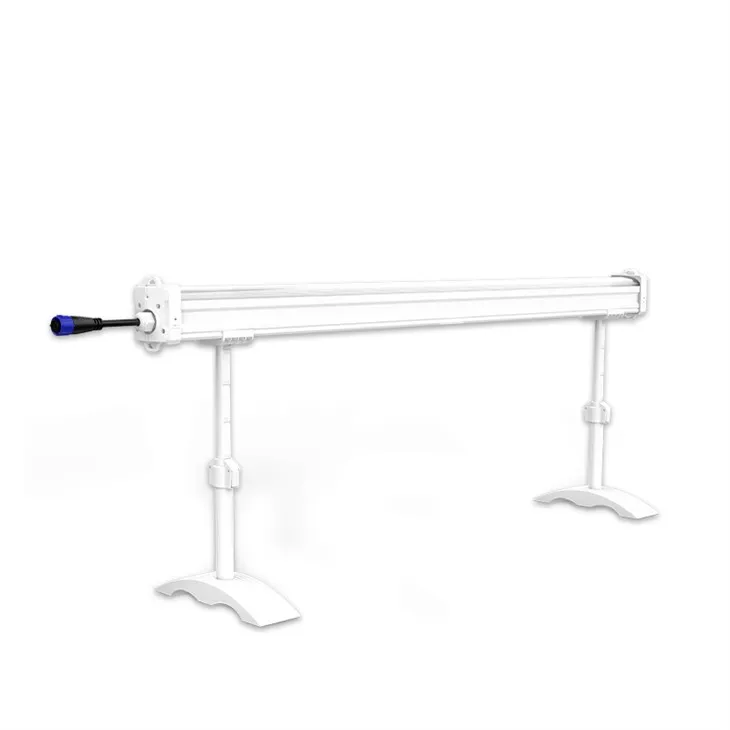
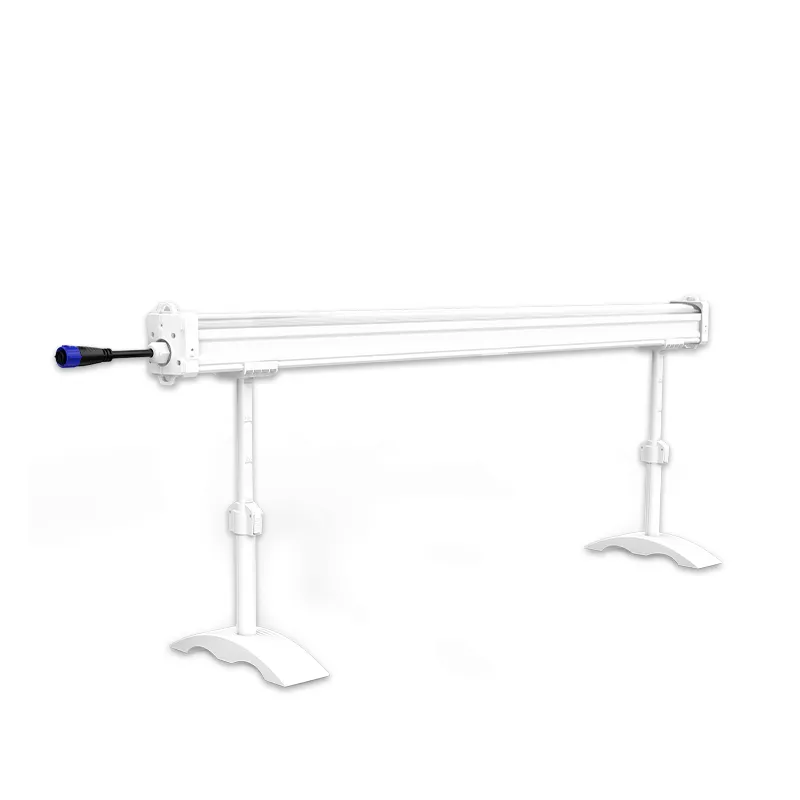
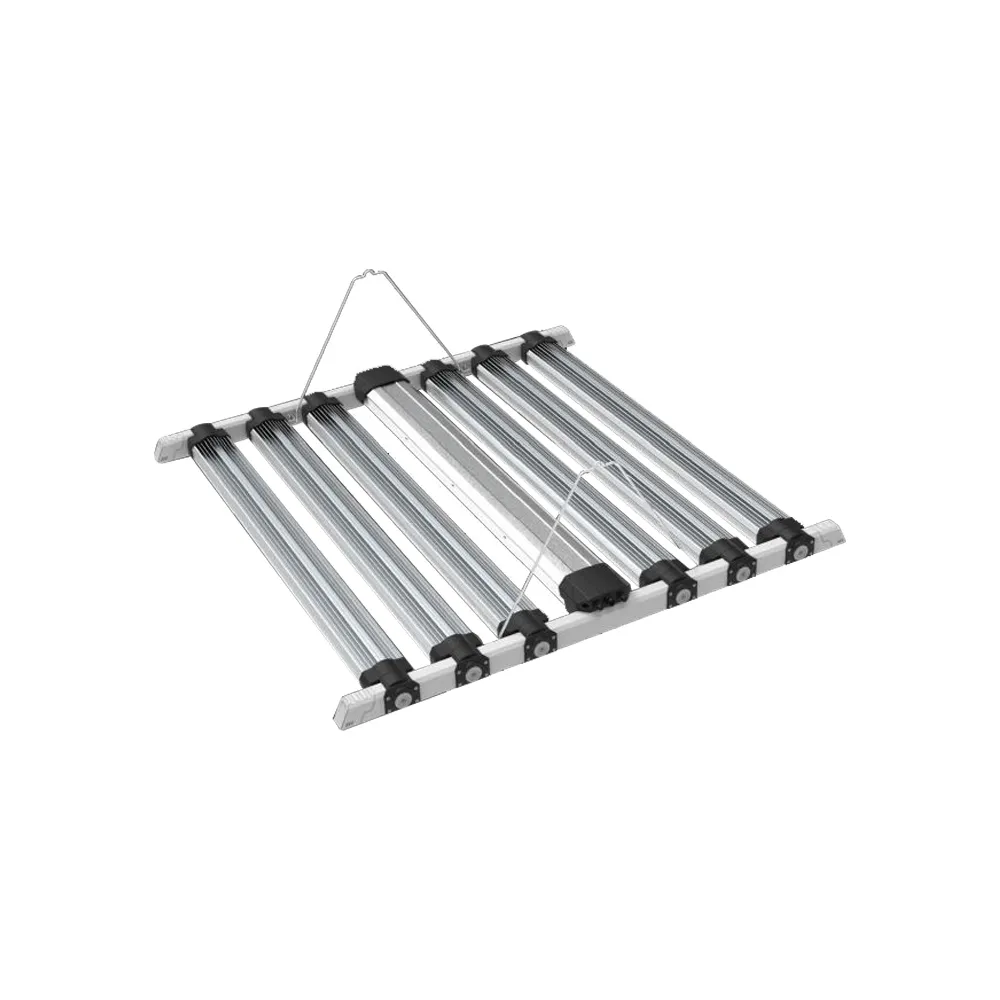
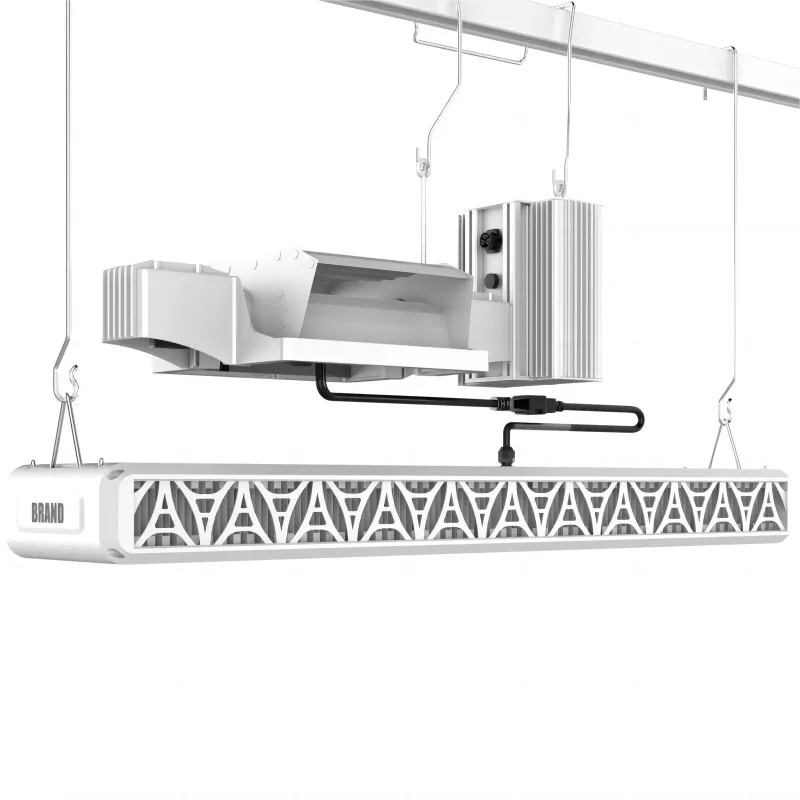
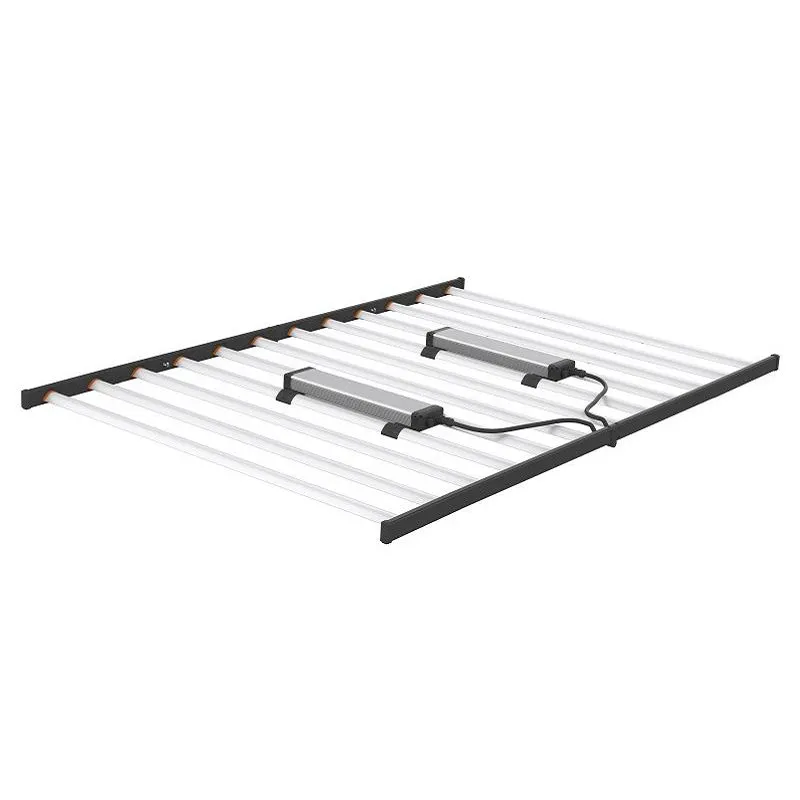
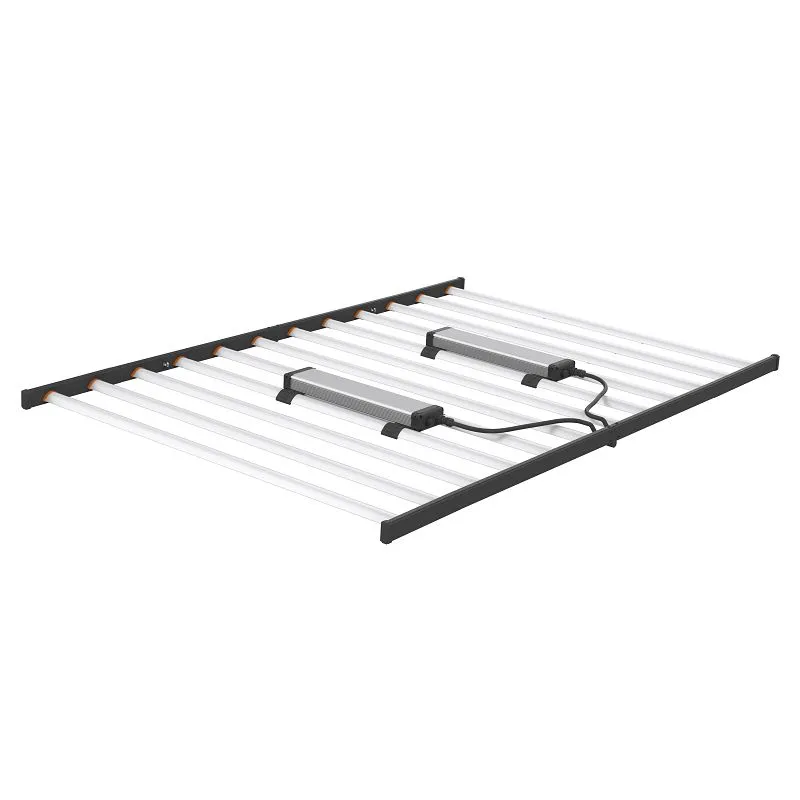
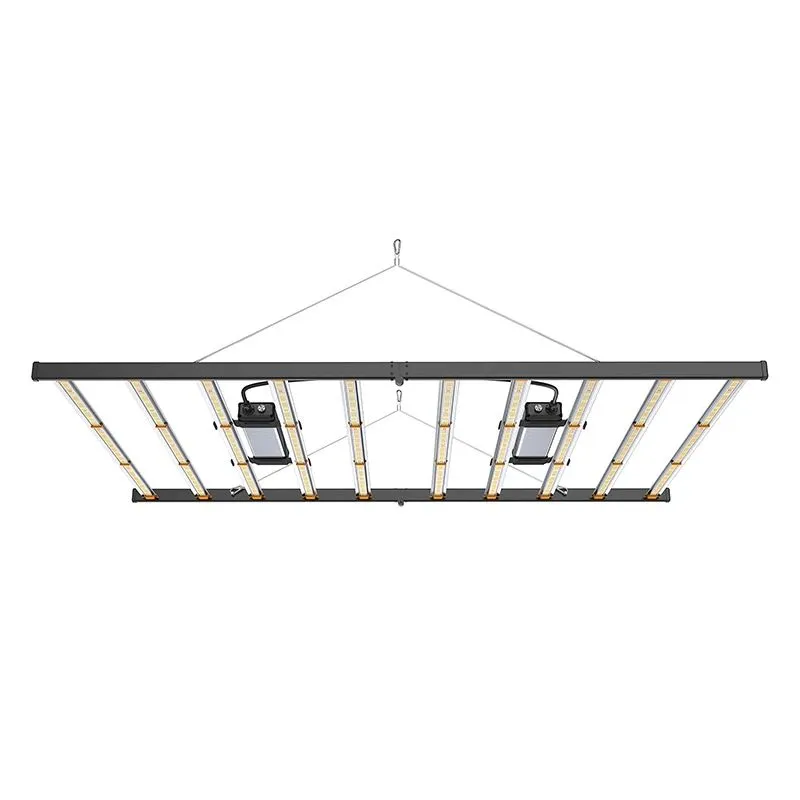
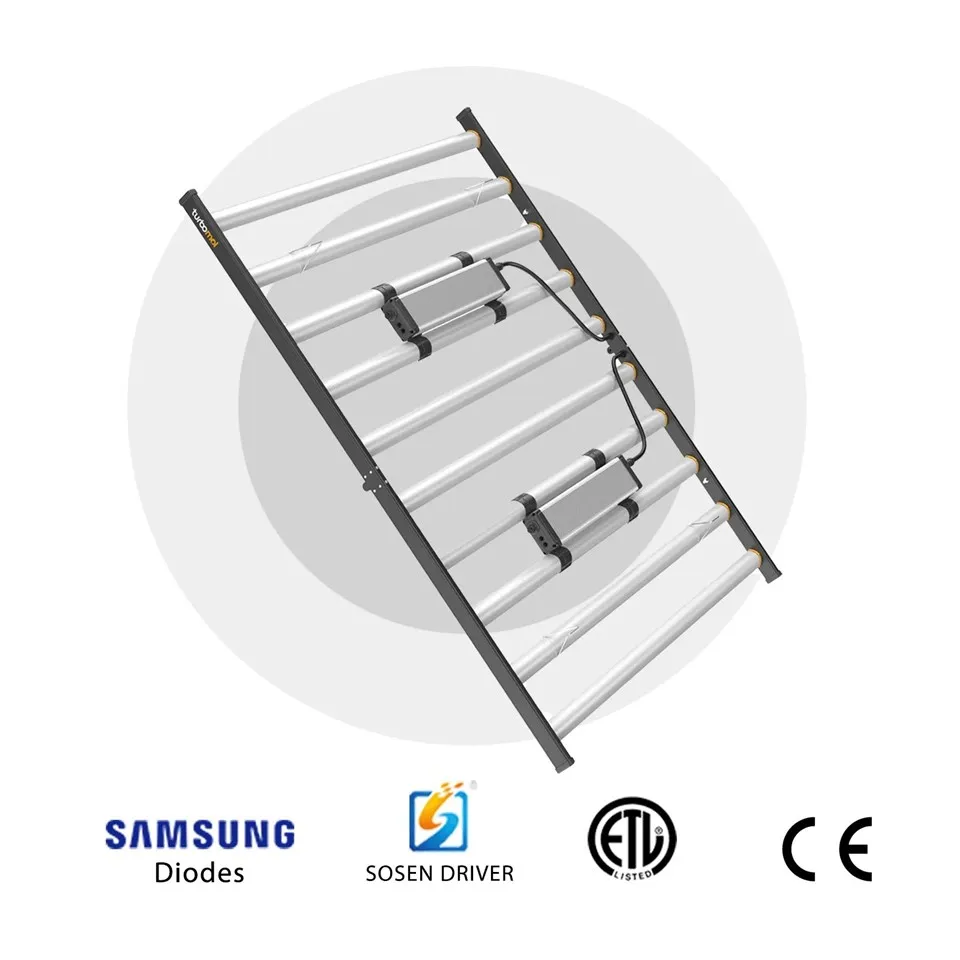
LED grow lights is an artificial light source that uses LED (Light Emitting Diode) as the illuminant to meet the lighting conditions required for plant photosynthesis. In the absence of daylight, this light fixture can act as daylight, allowing plants to grow normally or better.
-
Indoor Detachable LED Grow Light 720W | 6 Detachable Bars...Embark on a new era of flexibility and control in indoor gardening with the ET720 Detachable Full Spectrum Grow Light. This innovative lighting solution is designed to provide not only the...read more
-
UFO Shaped 100W LED Grow LightsWestland's new product in 2026, 100W small wattage solution for indoor cultivation. 2 spectra optional for different situation.read more
-
730W ECO LED Grow Lights With Build-in Driver2026 Shenzhen Westland's New Item - 730W ECO Build-in Driver LED Grow Lightsread more
-
Discount Price Stock UV 30WGreat News! Our UV grow lights is on sales in order to clear stock! 151 pcs in stock!read more
-
120W Dual Channel Under Canopy LightsDual channel Under Canopy LED Grow Lights brings you a successful growing business.read more
-
240W Foldable Under Canopy LED Grow LightsIn 2025, our best-seller Under Canopy 120W LED grow lights received a lot of praises. Now we upgarded our Under Canopy into a 240W 2meters long foldable Under Canopy LED Grow Lights.read more
-
Best Rated LED Grow Lights From Manufacturer - Under Cano...In 2025, our best-seller Under Canopy 120W LED grow lights received a lot of praises. It is the acutal best rated LED grow lights.read more
-
Professional Indoor Vegetable Growing Lighting: Detachabl...The ET720W detachable LED grow light redefines the standard for indoor grow lights for herbs with its modular design, specialized spectrum, and ultra-high light efficiency. Whether you're creating...read more
-
Professional Herb Cultivation Lighting Solution: ET720W D...ET720W Detachable Full-Spectrum LED Grow Light is specifically designed for herb cultivation. Utilizing advanced Bridgelux LED technology, the PPE up to 2.6μmol/J and PPF is 1836μmol/s. The...read more
-
Cost-effective Indoor Plant Cultivation Solution - ET720 ...Our ET720 Spider LED plant light redefines the standard of home planting lighting with excellent cost-effectiveness. This spider-shaped detachable DIY design lamp not only has professional-grade...read more
-
Professional LED Light For Vegetable Planting - VEG 36W V...Indoor grow lights for vegetables have become the core equipment of modern vertical farms. Special vegetable spectrum + advanced lamp beads enable all kinds of leafy vegetables to thrive quickly...read more
-
Professional-grade Full Spectrum 1000W LED Grow Lights - ...Full Spectrum 1000W LED grow lights are ideal for indoor cannabis cultivation, especially for professional cannabis growers. Our Spider Series 1000W foldable and dimmable grow lights offer...read more
Advantages of Indoor LED Grow Lighting
Quicker Harvest Cycle
Plants only know one thing: they need sunlight to grow. If they had the sun for the entire day, they would probably keep growing. Unfortunately for them, however, the sun sets at some point - which means that for a good couple of hours, they also stop growing. With indoor LED grow lightings, however, the "sun" will not be setting - and the plants won't even know it. They will only know that they have the light necessary to grow, and they will keep growing in their lit grow room even when it's pitch dark outside.
A Longer Lifespan
One of the reasons why indoor LED grow lighting are increasing more in popularity is that they have a longer lifespan than the average light bulb. Because they have lower operating temperatures, a LED grow light system can run for as long as 50,000 hours - which is way more than the traditional lighting system. Plus, thanks to this, you will no longer have to replace the light bulbs so often. Not only will you be able to save money on new sets, but you'll be able to grow crops for years - without the hassle of maintenance.
Saving Energy
Most of our electricity bill is caused by heat emission and the "burn" needed to produce the light. However, considering that LED grow lights do not actually burn anything in order to produce the lights, it can greatly lower our electricity bill. You get the same amount of light and save money while you are at it as well.
Healthy Plants
When you use traditional lights on plants, the burning effect will bounce off the plant, causing it to dry up if the temperature is not up to its liking. Everything that emits harmful UV lights can cause damage to the plants, causing them to need a lot more energy and water to survive. LED grow lights, on the other hand, are not as harsh on the plant. Considering that the energy is deeply limited, the plant will not feel as if it is overworking itself. This way, you will also save money on energy and water, simply because indoor LED grow lightings won't be as harsh on the plant as traditional lights.
Environmentally Friendly
While in the past we did not care much about environmentally-friendly objects, now everyone is starting to see their use. In a time where the air around us becomes more and more difficult to breathe, we begin to realize that further burning the air and creating waste will only make things worse. LED grow lights, however, can be fully recycled, making them an eco-friendly alternative to HID lights. Those lights contain fairly high amounts of mercury, which can be very harsh on the environment - especially when it's burned. LED grow lights, on the other hand, do not contain these harmful substances, which means the air around you and your lights will not be compromised.
Types of Indoor LED Grow Lighting
Full Spectrum LED Grow Lights
Full spectrum LED grow lights are like giving your plants a bit of the sun inside. They shine in all colors that plants need to grow strong and healthy. These lights have both blue and red rays, which help leaves grow big and flowers bloom bright. Many indoor gardeners love these lights because they can support a plant from seedling to fruit without changing bulbs. This makes full-spectrum LED grow lights perfect for all stages of plant life.
White LED Grow Lights
White LED grow lights shine bright for indoor gardens and hydroponic setups. They come in warm white or cool white options, giving you choices for your plants. Warm white LEDs are like cozy sunlight that can help with the flowering stage. Cool whites mimic daylight and can keep plants short and bushy. These lights look great in your home too! They blend right in because they give off light that looks just natural.
Red and Blue LED Grow Lights
Red and blue LED grow lights are like a power duo for plants. They hit just the right notes to help with photosynthesis, which is how plants convert light into energy. The blue LEDs get leaves and stems growing strong and sturdy. It's perfect when you want your plants to have a good structure in their early days. Switching over, red LEDs take the stage during flowering and fruiting times. They make sure plants produce plenty of flowers and fruits. But here's the thing: red light alone could make your plants too tall and weak.
Application of Indoor LED Grow Lighting
Indoor Gardening
Grow lights are essential for cultivating plants indoors, where natural sunlight may be limited or unavailable.
Greenhouses
Supplemental grow lighting can extend the growing season and improve plant health in greenhouses, particularly during the winter months.
Seed Starting and Cloning
Grow lights provide the necessary warmth and light spectrum for germinating seeds and promoting healthy root development in clones.
Supplemental Lighting
Grow lights can be used outdoors or in partially shaded areas to provide additional light for plants that may not receive adequate sunlight.
Optimal Distance between Indoor LED Grow Lighting and Plants
Seedling Stage
During the seedling stage, when the plants are young and delicate, LED grow lights should be placed relatively close to the plants to provide sufficient light for healthy growth. A distance of around 12 to 18 inches above the canopy of the seedlings is often recommended. This close proximity helps to promote strong stem development, prevent leggy growth, and encourage the plants to establish a sturdy foundation. Here is some approximate data available for reference:
1000W – Up to 46 Inches
800W – Up to 42 Inches
600W – Up to 38 Inches
400W – Up to 27 Inches
200W – Up to 20 Inches


Vegetative Stage
As the plants transition to the vegetative stage, they require more intense light to support their rapid growth and development. Therefore, the distance between LED grow lights and plants may need to be adjusted to a slightly higher range, typically around 18 to 24 inches above the canopy. This allows the plants to receive ample light energy for vigorous vegetative growth, including leaf development and branching. Here is some approximate data available for reference:
1000W – Between 36 and 46 Inches
800W – Between 32 and 42 Inches
600W – Between 30 and 38 Inches
400W – Between 20 and 27 Inches
200W – Between 12 and 20 Inches
Flowering Stage
During the flowering stage, plants require the highest light intensity to support the formation of flowers or fruits. LED grow lights should be positioned closer to the plants to ensure sufficient light penetration into the canopy and promote optimal flowering plants. A distance of 24 to 36 inches above the canopy may be appropriate for LED lights with higher wattage and intensity during the flowering stage, depending on the specific needs of the plant species being grown. Here is some approximate data available for reference:
1000W – Between 21 and 36 Inches
800W – Between 19 and 34 Inches
600W – Between 18 and 30 Inches
400W – Between 13 and 21 Inches
200W – Between 8 and 16 Inches

Factors to Consider When Choosing Indoor LED Grow Lighting
Plants love light, but not all light is the same. They need specific types of light to grow strong and healthy. Think of full-spectrum indoor LED grow lighting as a mini sun for your plants. They give off a mix that includes blue, red, and even green lights. The blue light makes your plants have strong leaves, while the red helps them bloom and bear fruit. Your plants are like people with different tastes; they thrive under various colors of light at different stages in their life. Early on, more blue might be best, but later, red could be just what they need.
Choosing the right indoor LED grow lighting means thinking about how much space you need to cover. The coverage area is all about the size of your indoor garden or hydroponic setup. Some lights are made for small spaces, while others can handle bigger areas where lots of plants live together. You'll want a light that shines over all your plants evenly so they can grow well. It's smart to check the light’s details because they tell you how big an area it can cover at different heights. Make sure your light is strong enough to reach tall plants but not too powerful for tiny seedlings.
Once you've measured the size of your grow space, it's time to think about how much energy your LED lights will use. indoor LED grow lighting shine in this area because they consume less power than other types. This means you can save on your electricity bill every month. They turn more energy into light and less into heat, which is good for your plants and your pocket. LEDs are built to last longer, too, so they don't need to be replaced as often as other lights. You won’t just cut down on power usage; you'll also spend less money over time. Keeping an eye on energy efficiency helps keep costs low while still giving strong light to help plants grow big and healthy.
Moving from power matters to controlling heat, indoor LED grow lighting stand out for their cooler operation compared to other types of grow lights. They give off less heat, which means you don't need big, costly cooling systems. This is a win for your plants and your wallet! But even with LEDs, some heat will always be there — managing it is key. Plants are sensitive to temperature. Too much warmth can stress them out or worse. That's why good indoor LED grow lighting have built-in ways to manage heat. They might use a heatsink or a fan to keep things cool. Some high-tech ones even use water because it's great at soaking up heat without getting too hot itself.
Indoor LED grow lighting cost more than other types at first. But they last a long time and save money on power. This makes them good for your wallet over many years. They don't break easily either, so you won't need to buy new ones often. Think of LED lights as a smart buy for your indoor garden or water-grown plants. The price is high at the start, but it pays off as you use less energy and keep them longer. Trust that this choice will help both your plants and your savings grow strong!
1. Locate the Best Installation Spot on Your Ceiling
The plants should be directly above the grow light system distance for the light beams to reach your plants.
2. Place Marks on Holes and Drill Them
You can start marking the precise location where you're going to drill the holes once you have an idea of where you want to install your grow lights. You can hang your hangers from the ceiling with the aid of these holes. After installing these hangers, you can begin assembling the grow lamp.
Hook Installation
Start by inserting a single hook into the ceiling hole you just made. Next, rotate the hook in a clockwise direction while exerting constant pressure. Once you've successfully forced the hook into the ceiling, you can stop twisting it.
Set Up A Rope Ratchet
After the hooks have been set properly, you can add a rope ratchet to let you manage the height of the overhead lighting. The best tool for the job is a nylon rope ratchet.
Hanging the Lights!
Once your ropes are in position, you may use extra hooks and s-screws to secure your lights to them. Additionally, you have to look for the rope height that benefits your plants. Consider this when choosing a light's distance from the plants.
1. Plant Stage
The stage of plant growth is a critical factor to consider when determining the ideal LED grow light distance. Different stages of plant growth require different light intensities. For instance, during the vegetative stage, plants require higher light intensities to promote leaf growth, while during the flowering stage, they need lower light intensities to encourage flower and fruit development. As a general guideline, LED grow light should be hung closer to the plants during the vegetative stage (around 18-24 inches) and raised slightly during the flowering stage (around 24-36 inches) to provide the optimal light intensity for each stage.
2. Light Intensity
The intensity of the LED grow light is another important factor to consider when determining the ideal distance from plants. Different LED grow lights have different light intensities, measured in PAR (Photosynthetically Active Radiation) or PPFD (Photosynthetic Photon Flux Density). Higher light intensities require the lights to be hung further away from the plants to avoid light burn or heat stress, while lower light intensities may allow the lights to be hung closer to the plants. It is crucial to follow the manufacturer’s guidelines or consult a light intensity chart to determine the appropriate hanging height for LED grow lights based on their intensity.
3. Plant Species
The type of plants being grown also plays a role in determining the ideal distance for LED grow lights. Different plant species have varying light requirements, and their tolerance to light intensity and heat may differ. For example, plants with delicate leaves may require LED grow lights to be hung at a greater distance to prevent leaf burn, while more robust plants may tolerate lights hung closer. It is important to research the specific light requirements of the plant species being grown and adjust the hanging height accordingly.
4. Light Coverage Area
The size of the area that needs to be covered by LED grow lights also affects the ideal distance from plants. If the LED grow lights need to cover a larger area, they may need to be hung higher to ensure that the light is evenly distributed across all plants. Conversely, if the coverage area is smaller, the lights can be hung lower for better light penetration. It is essential to consider the light coverage area and spacing between the plants when determining the ideal distance for LED grow lights.
5. Heat Output
LED grow lights produce heat during operation, and excessive heat can potentially damage plant tissue. Therefore, the heat output of LED grow lights is a crucial factor to consider when determining the ideal distance from plants. Lights that generate more heat may need to be hung higher to prevent heat stress, while lights with lower heat output may be hung closer to the plants. It is important to choose LED grow lights with efficient heat dissipation systems and monitor the temperature around the plants to avoid any heat-related damage.
6. Light Distribution
The distribution of light emitted by LED grow lights is another factor to consider. Some LED grow lights emit light in a focused or spotlight pattern, while others have a wider beam angle for more even light distribution. The type of light distribution can affect the ideal distance from plants. Lights with a focused beam may need to be hung higher to cover a larger area, while lights with a wider beam angle may allow for closer hanging height. Understanding the light distribution pattern of LED grow lights and adjusting the hanging height accordingly is crucial for optimal plant growth.
How Does the Color of Indoor LED Plant Lighting Wavelength Affect Plant Growth?
The main properties of the different colors/wavelengths can be broken down as follows: White light has the shortest wavelength, which also makes it the most intense light. Blue light has a medium wavelength, while red is on the opposite end of the spectrum, with the longest wavelength.
White light is often referred to as ultraviolet light or UV light. In fact, they are two different things, but they often operate in tandem. White light is light that is visible to the human eye. UV-light is not. White light from LED grow lights is accompanied by UV rays. These rays can be used to the benefit of plant growth, but too large doses can be harmful.
Somtimes, plants get sunburnt from UV rays, just like humans. LED grow lights allow us to carefully adjust the different wavelengths, which also means that we can easily avoid hurting our plants with too much light. The result is radically improved efficiency in plant growth.
Agricultural science tells us that red and blue lights are most important for plant growth. This is why vertical farms most often bathe their plants in these colors. White light is also important, but more often than not, strong white light such as sunlight will inhibit plant growth. The exceptions are plants like cucumber, tomatoes, and sweet potatoes, which thrive in direct sunlight.
The factory is located in Shenzhen, a city with the fastest economic growth in the Zhujiang River Delta. The company has developed by leaps and bounds three times and now has many senior engineers with more than 18 years of industry experience. So far, the company has invested more than 10 million yuan in building a new production base, which has been completed and put into production. The factory covers an area of 15,000 square meters and has more than 300 employees. Our aim is to develop the strategic thinking of low-carbon environmental protection, innovative technology industry-led and diversified development.


Ultimate FAQ Guide to Indoor LED Grow Lighting
As one of the most professional indoor led grow lighting manufacturers and suppliers in China, we're featured by quality products and low price. Please rest assured to buy discount indoor led grow lighting from our factory. Contact us for customized service.
Indoor Top LED Grow Light 800W, Tent Light 100W, UV Light Horticulture Flowering