

Hey there, fellow greenhouse enthusiasts! As a supplier of Greenhouse Top LED Lighting, I often get asked about how much energy these lights consume. It's a crucial question, especially when you're running a greenhouse operation where every bit of cost - efficiency matters. In this blog, I'll break down the energy consumption of our greenhouse top LED lighting and give you a better understanding of what to expect.
Let's start by understanding why energy consumption is such a big deal in greenhouse lighting. Greenhouses need proper lighting to ensure the healthy growth of plants. Traditionally, High - Pressure Sodium (HPS) lights were the go - to option. However, they are known for being energy - hogs. They not only consume a large amount of electricity but also generate a lot of heat, which can be a problem in a greenhouse environment.
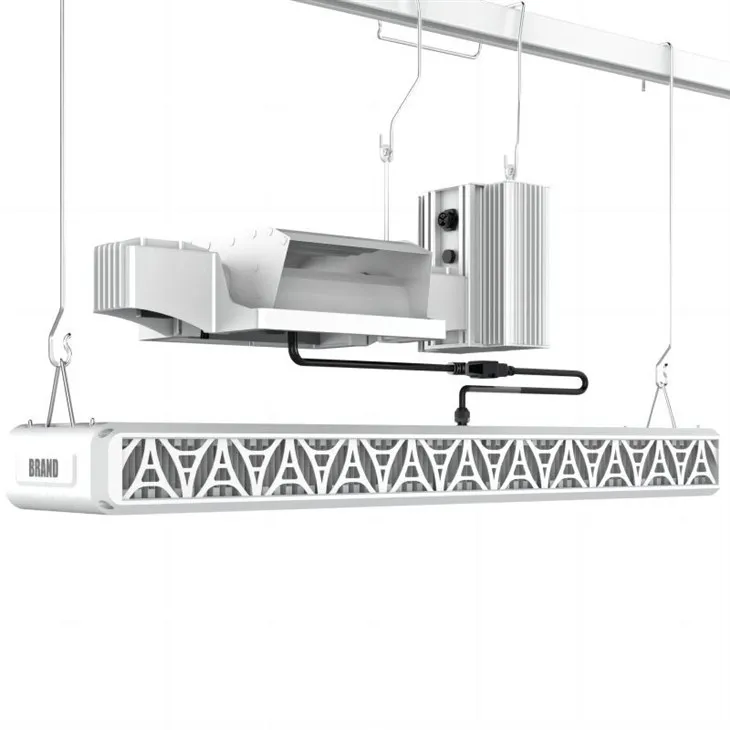
On the other hand, LED lights have emerged as a more energy - efficient alternative. Our Greenhouse Top LED Lighting is designed with advanced technology to provide the right spectrum of light for plant growth while using significantly less energy.
Factors Affecting Energy Consumption
The energy consumption of our greenhouse top LED lights depends on several factors. First off, the wattage of the light is a major determinant. Higher - wattage lights generally consume more energy. But it's not as simple as just looking at the wattage. The efficiency of the LED chips used in the lights also plays a crucial role.
Our Greenhouse 1:1 HPS Replace LED Grow Light 1000W R48FR5 Spectrum is a great example. It's designed to replace a 1000W HPS light, but it doesn't consume the same amount of energy. Thanks to the high - efficiency LED chips, it can provide the same or even better light output for plants while using less electricity.
Another factor is the duration of use. In a greenhouse, the lights need to be on for a certain number of hours each day to mimic natural sunlight. The longer the lights are on, the more energy they will consume. That's why it's important to have a proper lighting schedule based on the specific needs of the plants you're growing.
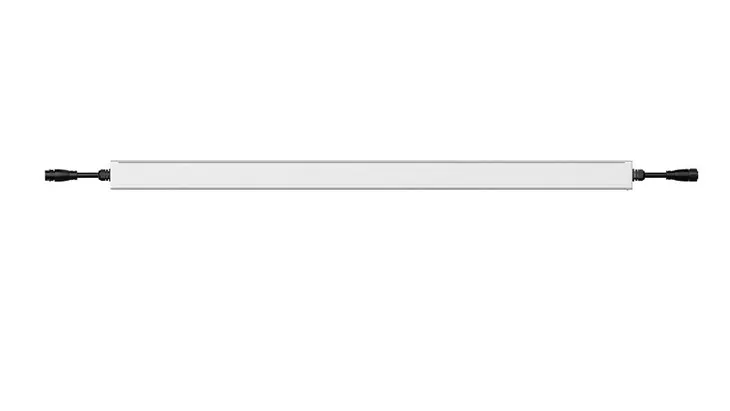
The spectrum of light also affects energy consumption. Different plants require different spectra of light for optimal growth. Our lights are designed to provide the exact spectrum that plants need, which means they don't waste energy on producing unnecessary light wavelengths. For instance, our Greenhouse Linear Top LED Grow Light 200W has an 80% red spectrum, which is ideal for many indoor and greenhouse plants. By focusing on the right spectrum, we can ensure that the energy is used more effectively.
Comparing Energy Consumption
Let's do a quick comparison between our LED lights and traditional HPS lights. A 1000W HPS light will consume 1000 watts of power per hour. If it's on for 12 hours a day, that's 12,000 watt - hours or 12 kilowatt - hours (kWh) per day. Over a month (assuming 30 days), it will consume 360 kWh.
Now, let's look at our HPS Replacer LED Grow Light 600W R48 Spectrum. It's designed to replace a 1000W HPS light in terms of light output. But it only consumes 600 watts per hour. If it's also on for 12 hours a day, it will consume 7200 watt - hours or 7.2 kWh per day. Over a month, that's 216 kWh. That's a significant reduction in energy consumption!
This reduction in energy consumption not only saves you money on your electricity bills but also has a positive impact on the environment. By using less energy, you're reducing your carbon footprint.
Calculating Your Energy Costs
To calculate the energy costs of our greenhouse top LED lights, you first need to know the wattage of the light and the number of hours it will be on each day. Then, you can use the following formula:
Energy consumption (kWh) = (Wattage × Hours of use) / 1000
Once you have the energy consumption in kWh, you can multiply it by the cost per kWh from your electricity provider. For example, if your electricity provider charges $0.15 per kWh and you're using a 200W LED light for 10 hours a day:
Energy consumption = (200 × 10) / 1000 = 2 kWh per day
Cost per day = 2 × $0.15 = $0.30
Cost per month (30 days) = $0.30 × 30 = $9
This simple calculation can help you plan your budget and understand the long - term savings you can achieve by using our LED lights.
Tips to Further Reduce Energy Consumption
There are a few things you can do to further reduce the energy consumption of our greenhouse top LED lights. First, invest in a good lighting controller. A lighting controller allows you to set a specific schedule for the lights, so they're only on when they're needed. It can also adjust the intensity of the lights based on the natural light available in the greenhouse.
Second, make sure your greenhouse is well - insulated. A well - insulated greenhouse retains heat better, which means you don't need to use as much energy to keep the temperature at the right level. This indirectly reduces the overall energy consumption of your greenhouse operation.
Finally, regularly maintain your lights. Clean the lenses and check for any damaged components. A well - maintained light will operate more efficiently and consume less energy.
Why Choose Our Greenhouse Top LED Lighting
Our greenhouse top LED lighting is not only energy - efficient but also offers many other benefits. The lights are designed to last a long time, which means you won't have to replace them as often as traditional HPS lights. They also generate less heat, which reduces the need for additional cooling systems in the greenhouse.
The right spectrum of light provided by our lights promotes healthy plant growth. You'll notice that your plants grow faster, produce more flowers and fruits, and have a better overall quality.
If you're interested in learning more about our Greenhouse Top LED Lighting or want to discuss your specific needs, we're here to help. Whether you're a small - scale greenhouse owner or running a large commercial operation, we can provide you with the right lighting solutions to meet your requirements.
In conclusion, our greenhouse top LED lighting offers a great balance between energy efficiency and plant growth. By choosing our lights, you're making a smart investment that will save you money in the long run and help you grow healthier plants. So, don't hesitate to reach out if you're considering upgrading your greenhouse lighting system. Let's work together to make your greenhouse more energy - efficient and productive!
References
- "LED Lighting for Horticulture" - Research report on the use of LED lights in greenhouse environments.
- "Energy - Efficient Lighting Solutions for Greenhouses" - Industry white paper discussing the benefits of LED lights over traditional lighting options.